What Is Cultural Resource Management? A Practical CRM Primer
CRM is the compliance-led process for identifying, evaluating, and managing cultural resources before projects affect them.
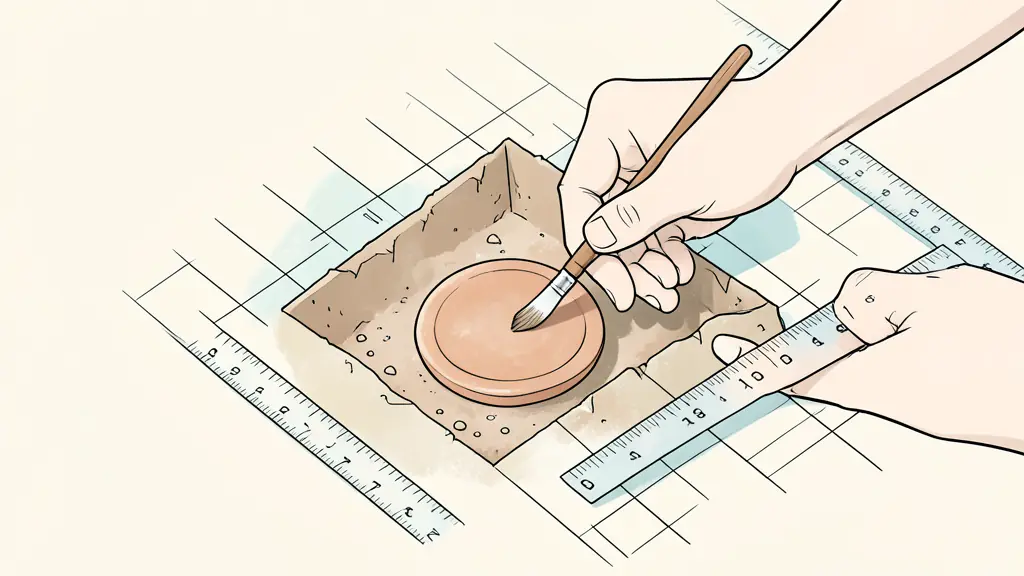
Cultural Resource Management is the professional discipline used to identify, evaluate, protect, and manage heritage resources that may be affected by a project. The operational rule is straightforward: before committing capital, signing a partner, or promising a launch date, screen the project for public ownership, government funding, permits, regulatory jurisdiction, ground disturbance, and known heritage concerns. Any positive signal may justify specialist review.
No time to read?
- CRM uses professional methods to identify, evaluate, and manage cultural resources that may be affected by a project.
- Its primary goal is to avoid, minimize, or mitigate harm while satisfying applicable preservation requirements.
- Unlike academic archaeology, CRM is usually triggered by a proposed action, approval, permit, funding source, or other legal nexus.
- Exact obligations depend on jurisdiction, land ownership, funding, approvals, and the resources involved; the project type alone is not enough.
- The next action is to map those triggers before signing contracts or authorizing work near heritage-sensitive places.
Cultural Resource Management, defined
For anyone asking what is cultural resource management, the term refers to the professional application of legal, technical, and scientific methods to archaeological sites, historic properties, cultural landscapes, objects, and places of community significance. Its primary goal is to avoid, minimize, or mitigate project impacts while satisfying applicable preservation requirements.
The field is often associated with CRM archaeology, but archaeology is only one component. Cultural Resource Management can also involve architectural history, archival research, historic structures, traditional cultural places, consultation with tribal nations and communities, and broader Cultural Heritage considerations.
The work is practical and decision-oriented. A project team may need to determine whether cultural resources are present, whether they are significant under the applicable standard, how a proposed activity could affect them, and what treatment is appropriate. Treatment can range from leaving a resource undisturbed to redesigning a project, documenting a property, monitoring construction, or conducting controlled data recovery.
Scope is jurisdiction-specific. The applicable process can change according to land ownership, funding, permits, agency involvement, tribal interests, and state or local law. A review conducted for a federally supported project may therefore differ substantially from one required by a municipal preservation ordinance or a private development agreement.
CRM and academic archaeology solve different problems
CRM and academic archaeology share professional methods, including documentary research, field survey, excavation, laboratory analysis, and interpretation. They differ primarily in why the work begins and how its results support a decision.
| Dimension | Cultural Resource Management | Academic archaeology |
|---|---|---|
| Purpose | Support preservation decisions and satisfy applicable requirements | Answer research questions and produce knowledge |
| Trigger | A project, approval, permit, funding source, land action, or preservation mandate | A research agenda, scholarly question, or teaching objective |
| Client or sponsor | Agency, developer, consultant, land manager, project sponsor, or other responsible party | University, museum, research institution, foundation, or academic sponsor |
| Timeline | Usually tied to planning, permitting, procurement, or construction milestones | Usually structured around research funding, field seasons, and publication plans |
| Deliverables | Survey reports, resource records, eligibility recommendations, impact findings, treatment plans, and compliance documentation | Research reports, datasets, articles, monographs, collections, and educational outputs |
| Decision standard | Whether resources are significant, whether they may be affected, and how impacts should be addressed | Whether evidence supports, challenges, or refines a research interpretation |
| Treatment of discoveries | Managed through applicable procedures, consultation, project controls, and treatment commitments | Managed according to the research design, permits, professional standards, and collection policies |
The cultural resource management process is consequently shaped by project dependencies. Its reports are not simply descriptions of the past. They are inputs into decisions about design, approvals, schedules, risk, and treatment.
Academic work can contribute directly to CRM, and CRM investigations can produce important research. The distinction is not one of rigor. It is a distinction in mandate: CRM is generally compliance- and project-driven, while academic archaeology is principally organized around research questions and knowledge production.
The preservation workflow: identify, evaluate, avoid, or mitigate
A disciplined preservation workflow moves from uncertainty to a documented treatment decision. The exact terminology and sequence vary, but historic preservation compliance commonly includes the following steps:
- Define the undertaking or proposed activity, its physical scope, and the areas where direct or indirect effects may occur.
- Review existing records, maps, inventories, previous studies, historic documentation, and known resource files.
- Consult the relevant agencies, preservation offices, tribal representatives, land managers, communities, and other parties with applicable interests or authority.
- Conduct an Archaeological survey or other field investigation where the available information is insufficient.
- Identify archaeological sites, buildings, structures, districts, landscapes, objects, and places of community significance.
- Evaluate significance under the governing legal or administrative standard.
- Assess how construction, access, excavation, vibration, visual change, increased visitation, or operational use could affect significant resources.
- Select and document avoidance, minimization, or Mitigation measures.
- Establish procedures for monitoring, unexpected discoveries, reporting, curation, and completion.
Some practitioners describe archaeological work through Phase I, II, and III surveys. In general usage, these phases can correspond to identification, evaluation, and treatment or data recovery. However, definitions and reporting expectations are not uniform across jurisdictions or agencies. A project team should confirm the required scope rather than treating the phase label as a universal specification.
Avoidance is normally the preferred planning outcome because it keeps the resource outside the project’s impact footprint. It might involve relocating a path, changing a foundation plan, restricting vehicle access, or establishing a protected buffer.
Minimization reduces an impact that cannot be fully avoided. Examples include narrowing the disturbed area, using less invasive construction methods, controlling visitor circulation, or scheduling work with archaeological monitoring.
Mitigation addresses adverse effects that remain. Measures may include detailed documentation, data recovery, interpretive work, preservation agreements, conservation, monitoring, or other commitments developed through consultation. Mitigation is not an automatic substitute for avoidance. It should respond to the resource, the impact, and the applicable decision process.
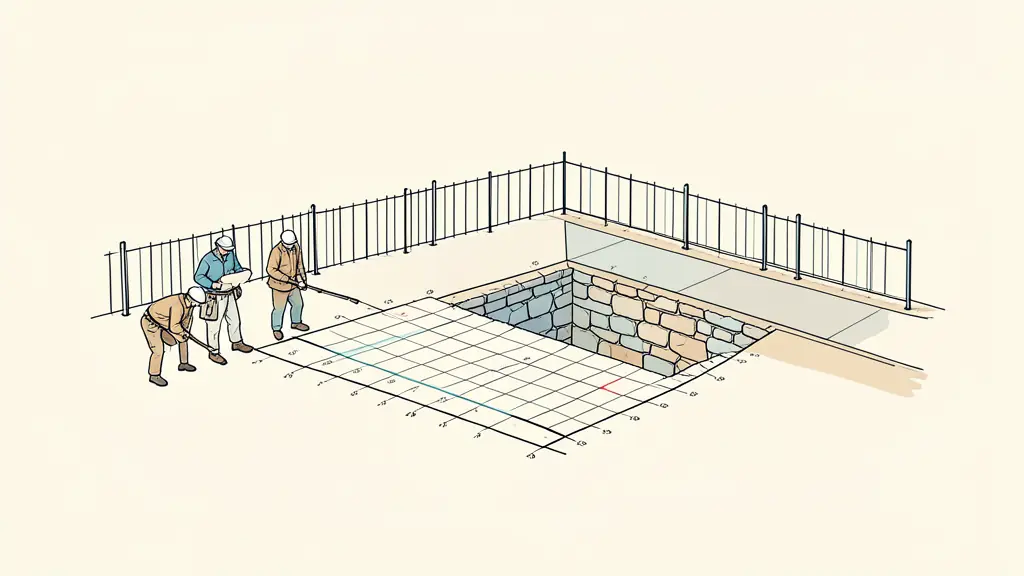
Legal jurisdiction and project impact determine the trigger
A cultural resource review commonly begins because a project involves federal land, federal funding, a federal permit, a license, or another federal approval. State, tribal, and local laws can create separate or additional duties. Private projects may also enter a review process through land-use approvals, contractual conditions, easements, funding arrangements, or work on protected property.
At the federal level, Section 106 of the National Historic Preservation Act establishes a review process for the effects of federal undertakings on historic properties. The responsible agency typically works with parties that can include the SHPO (State Historic Preservation Office), tribal historic preservation representatives, applicants, consultants, local governments, and other consulting parties.
The National Register of Historic Places provides a key significance benchmark in federal review. Formal listing is not the only relevant status. A property that is eligible for inclusion can matter even if it has never been formally listed. This is why a database search alone cannot always close the question.
Neither project type nor site age establishes the applicable duty by itself. A tourism facility, trail, lodge improvement, visitor access project, or event site may require review in one setting and not in another. Likewise, an apparently modern property may contain archaeological deposits, sit within a historic district, affect a cultural landscape, or be associated with a place valued by a community.
The practical trigger test combines jurisdiction and impact. First determine which government entities, landowners, funders, and permitting bodies are involved. Then establish what the project will change, where disturbance will occur, and which known or potential resources could be affected.
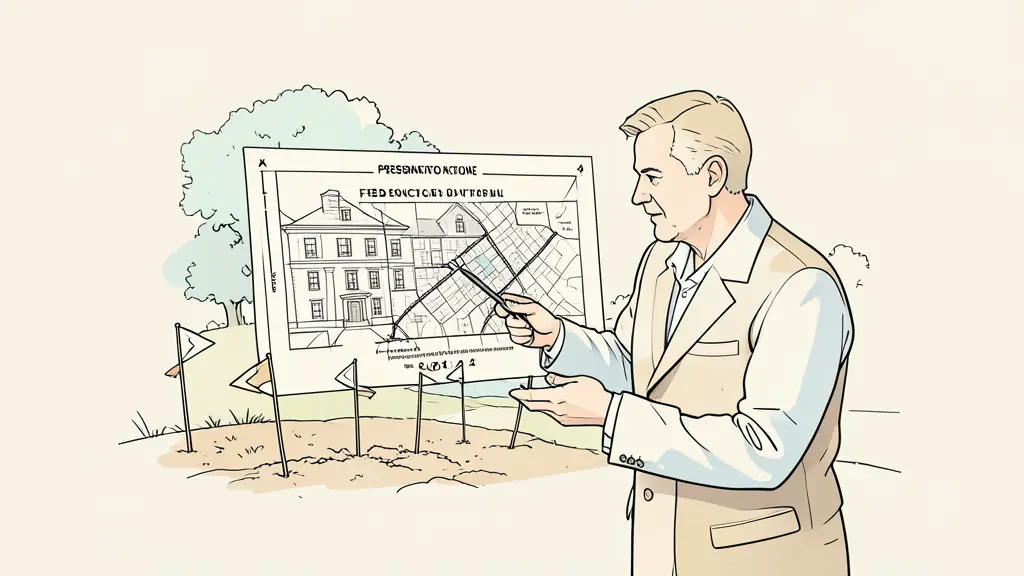
From compliance concept to an operator’s next action
CRM is a coordinated professional process, not a task to assign informally to a general project manager. Qualified archaeologists investigate archaeological resources. Architectural historians assess buildings, structures, districts, and designed landscapes. Tribal representatives contribute sovereign, cultural, and place-based knowledge that cannot be replaced by records research. Preservation offices and agencies administer review responsibilities, while consultants translate requirements into scopes, fieldwork, documentation, and treatment plans.
Developers and project sponsors remain responsible for providing accurate project information, funding required work where applicable, and integrating findings into design and scheduling. Travel operators may not control the entire development, but they still need to understand whether a partner’s heritage risk could disrupt access, delay delivery, restrict use, or create reputational exposure.
Before committing to a heritage-sensitive project, partnership, concession, event, or new visitor activity, complete this pre-commitment screen:
- Ownership: Who owns or controls the land, structure, route, or access point? Is it federal, state, tribal, municipal, private, or subject to multiple interests?
- Funding: Does any public grant, agency contribution, financing condition, or pass-through funding connect the project to preservation review?
- Permits and approvals: Which licenses, land-use permissions, construction permits, environmental reviews, or agency approvals are required?
- Ground disturbance: Will the work involve excavation, grading, trenching, anchoring, utilities, foundations, roadwork, landscaping, or repeated vehicle traffic?
- Heritage assets: Are archaeological sites, historic buildings, districts, cultural landscapes, collections, cemeteries, or previously recorded resources known nearby?
- Community concerns: Have tribal nations, local communities, preservation groups, residents, or land managers identified cultural values that may not appear in a standard property database?
- Contractual responsibility: Which party must commission studies, manage consultation, pay for treatment, respond to discoveries, and absorb schedule changes?
- Decision gate: Is specialist clearance required before contracting, marketing, mobilization, construction, or opening the activity to clients?
A positive or uncertain answer does not automatically mean that extensive fieldwork is required. It means the assumption should be tested by the appropriate agency, legal adviser, preservation professional, or qualified consultant. A cultural resource investigation may begin with records review and consultation, then expand only if the jurisdiction, evidence, and anticipated impacts justify further work.
Operators ready to turn this screen into an internal procedure can use the seven-step cultural resource management framework for tour operators to assign ownership, place review gates into project development, document partner assurances, and plan for discoveries.
The final operating rule is simple: screen ownership, funding, permits, approvals, jurisdiction, disturbance, and heritage concerns before making an irreversible commitment. This screening improves scope control and exposes dependencies early, but it does not determine the law. Exact obligations require project-specific legal and professional review.
Envie d'aller plus loin ?
Laisse ton email, on te prévient dès qu'un nouvel article sort.